
Recurring Chatter Marks on MDF Panels: What to Record Before Ordering Sander Parts
Record mark spacing, panel feed direction, sanding head details and belt history before requesting replacement parts for an MDF sander.
When transverse marks repeat across an MDF panel, give maintenance a marked sample and the process records from the affected run. The spacing can help narrow the investigation, but the spacing and a photo alone cannot identify the part to order. First establish where the marks become visible, which sanding heads were in use and whether the panel moved consistently through the line.
Record the surface pattern and feed behavior separately
Mark the panel’s feed direction and identify the affected face. Measure the distance between adjacent marks along the direction of travel on a removed sample. Where the pattern repeats, record several intervals and note whether spacing changes across the sample or between panels. Include a close-up with a scale and an overview showing whether marks appear across the full width or only in one zone. Record the first inspection point where the marks were visible.
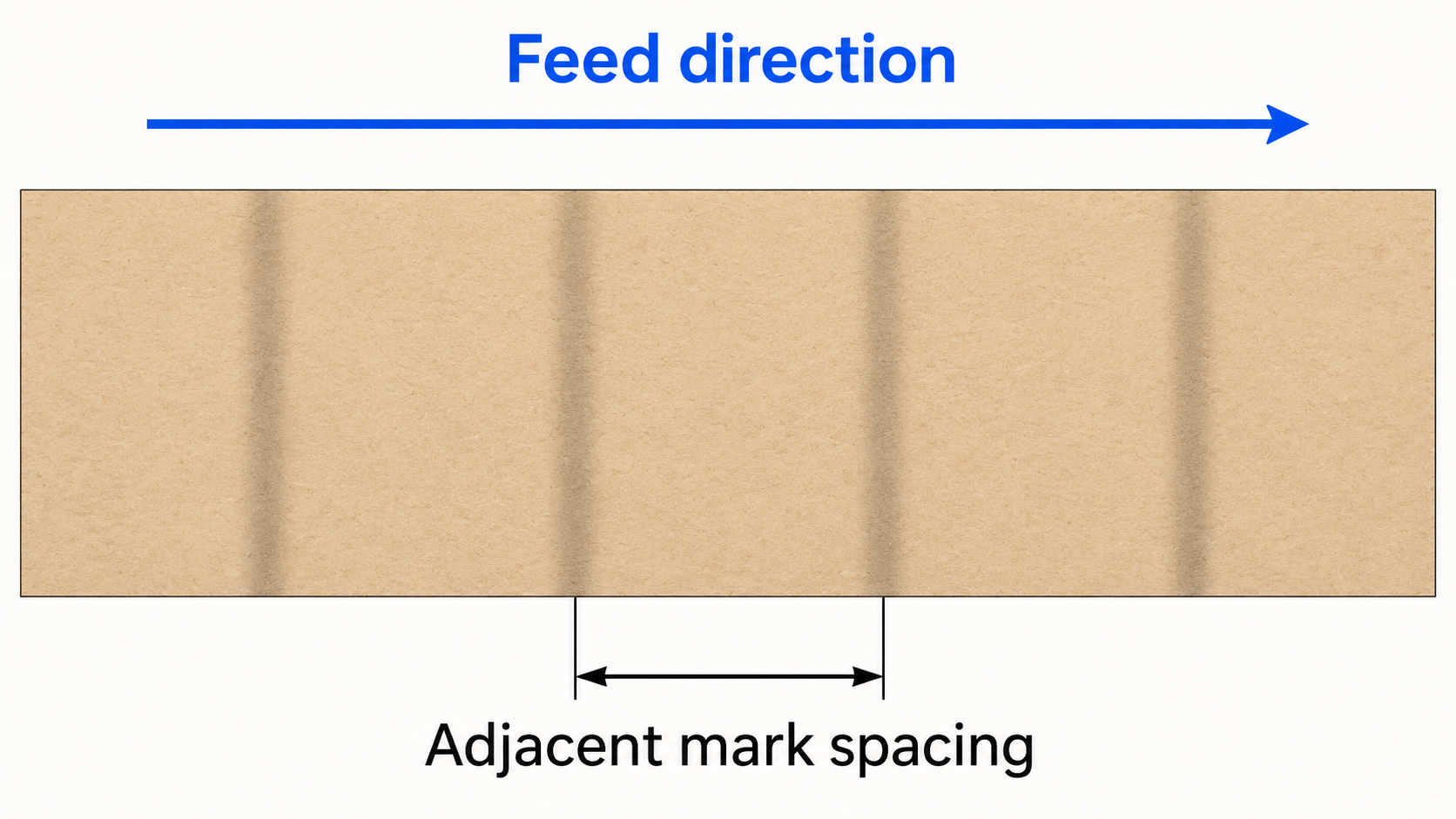
Keep feed and surface observations separate
Pair the pattern with records from the affected run
Compare the spacing with the machine and process records from the affected run. Ask maintenance to review the abrasive belt joint and relevant drums or rollers. Record where the marks first become visible so the team can check the preceding sanding stages.
Use samples and existing production logs. Have qualified maintenance personnel obtain any additional machine evidence under the plant’s approved isolation procedure and the applicable OEM instructions.
Confirm the assembly before asking for a price
Send the defect record to maintenance or the OEM for evaluation. If the review identifies a component for replacement, include the machine and head identification, OEM part number or drawing revision, exact assembly position, quantity and required delivery date in the RFQ. Where the part reference is still unknown, request help identifying the assembly and list which measurements or drawings are available. Ask the supplier to state the reference used for its quote and flag open fit questions before purchase approval.
| Record | What to include |
|---|---|
| Panel and run | Board grade, thickness, affected face, batch and time of observation |
| Surface pattern | Feed arrow, adjacent mark spacing with units, affected width and scaled photos |
| Process history | Recorded feed speed, active heads and first inspection point showing the defect |
| Abrasive history | Belt reference, grit, joint type and recent belt or maintenance changes |
| Machine identity | Manufacturer, model, serial number, station and head identifier |
Related products
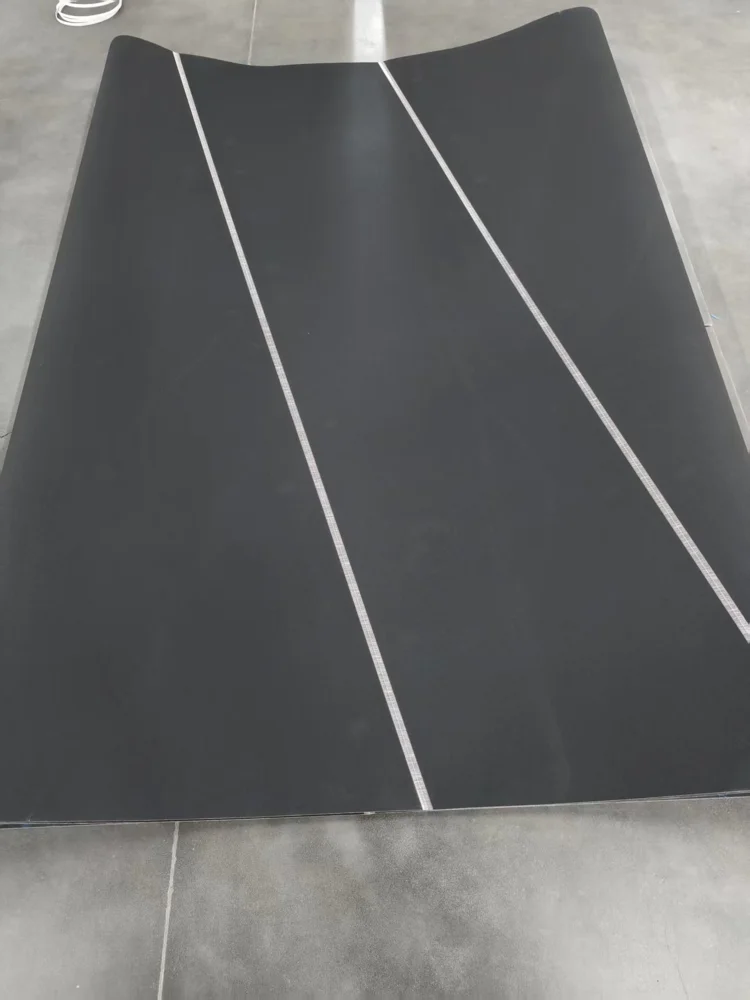 Sanding BeltProvide the sanding machine, current dimensions and existing belt surface details.
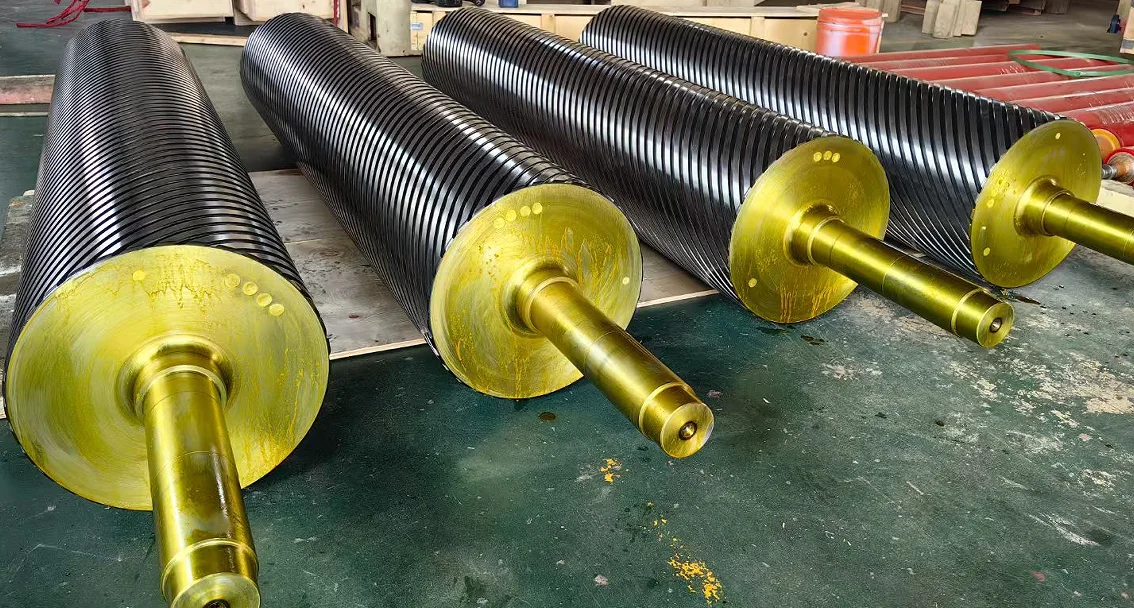 Contact RollerMatch the mounting, roller dimensions and surface requirement to the installed unit.
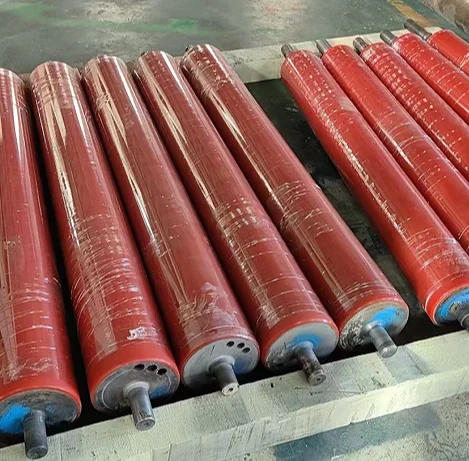 Guide RollerIdentify the roller function and share shaft, surface and overall dimensions.
Related production applications
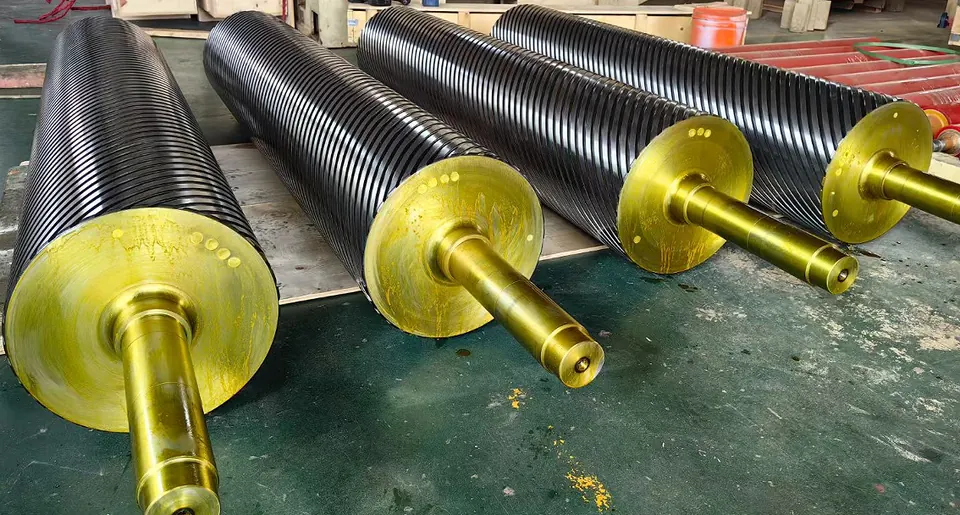 Panel sanding and finishing
Request a quote for Sanding Belt Request a quote for Contact Roller Request a quote for Guide Roller